



In the colorful landscape of Canada’s online amusement, a unique philosophy is gaining traction, one that celebrates carefree fun and approachable engagement. I note this shift not as a rejection of intricate narratives or competitive competition, but as a simultaneous evolution highlighting simplicity and immediate gratification. At the forefront of this movement is the Chicken Shoot Game, a title whose very name conjures a sense of playful challenge. Its growing popularity across Canadian provinces signals a wider appetite for gaming experiences that focus on pure, genuine amusement and a momentary escape from daily routines.
Accessibility Across Populations
By championing straightforward design, this gaming philosophy inherently delivers remarkable accessibility. It attracts a broad cross-section of Canadians, from younger individuals enhancing hand-eye coordination to older individuals trying digital hobbies for the first time. The controls are typically simple, and the goals are commonly understood. This inclusivity is a major part of its appeal and success, building a common cultural touchstone that transcends age and hardcore gaming expertise. It opens up fun, proving that captivating interactive entertainment doesn’t require mastery of a complex rulebook.
The Core Tenet: Simplicity as an Advantage

The basic tenet of the Chicken Shoot Game design approach is an unwavering commitment to ease. This is not a game that requires learning complex instructions or remembering intricate controls. The goal is instantly understandable, the controls easy to pick up. For a lot of Canadian users, after a busy day at work or school, this accessibility is a positive. It delivers a digital space where enjoyment is gained from straightforward interaction and obvious responses, without the pressure of hard mastery requirements. This design philosophy values the player’s time and understanding by removing barriers to entry, creating an quickly gratifying game experience.
Integration into the Canada’s Digital Landscape
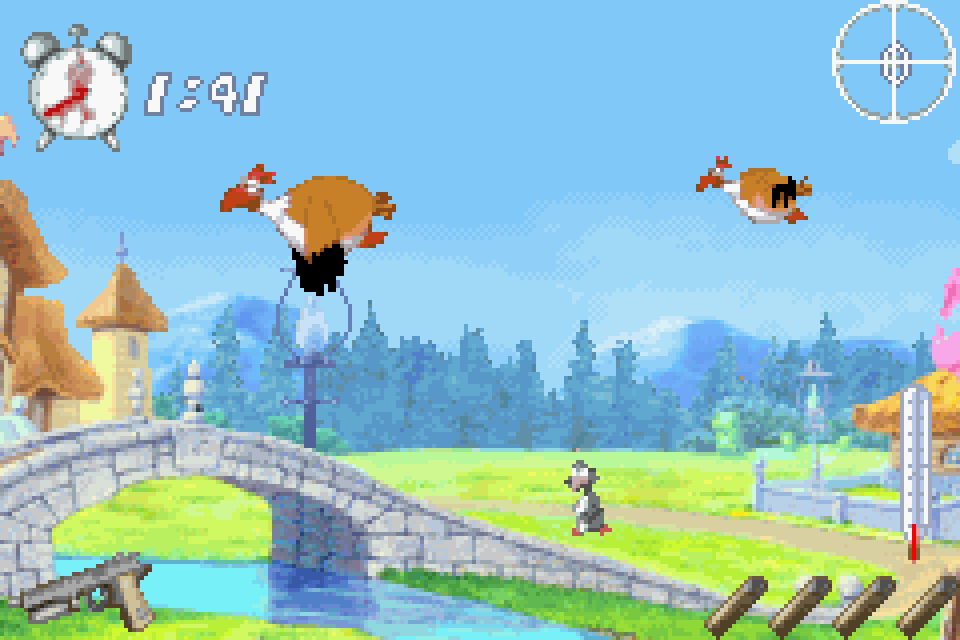
The embrace of this philosophy corresponds well with broader Canadian digital consumption patterns. With high internet penetration and a populace at ease with mobile and online platforms, Canadians are ideally placed to embrace these user-friendly gaming formats. The Chicken Shoot Game and similar titles often function effortlessly across devices, slotting into the interstitial moments of daily life. During a pause in Calgary or while on public transport in Montreal, these games provide a perfect bite-sized entertainment solution that complements the nation’s tech-savvy, on-the-go lifestyle.
What Lies Ahead for Casual Play in Canada
Looking forward, I think the ideas embodied by the Chicken Shoot Game mindset will further cement their role in Canada’s gaming scene. As our existence become progressively computerized and broken up, the importance of trustworthy, swift, and enjoyable digital retreats will grow. This philosophy will probably develop, incorporating new technologies and display methods, but its fundamental beliefs—ease, immediate satisfaction, and low-stakes fun—will stay its north stars. It embodies a viable and long-lasting way to interactive amusement, one that focuses on the player’s instant happiness above all else.
Quick Rewards in a Rapid World
Modern life, from the bustling streets of Toronto to the picturesque views of Vancouver, often advances at a frenetic pace. The Chicken Shoot Game concept directly responds to this by delivering fast rounds of reward. Each action, each accurate hit, offers a moment of immediate gratification. This micro-reward system taps into a core desire for rapid, encouraging results, making it an ideal stress-reliever. I view it as a virtual equivalent to other brief-interval hobbies Canadians enjoy, ideally designed for a quick trip or a momentary pause, offering a real feeling of accomplishment in only a short time.
Nostalgia and the Classic Arcade Feel Reborn
The Chicken Shoot Game philosophy intentionally conjures the essence of vintage arcade machines and old-school console releases. It channels a wave of reminiscence for an age where game mechanics was paramount and ideas were pleasantly simple. This connects strongly with a group of Canadian gamers who spent their youth with those games, while also presenting that classic arcade sensation to a new audience. The familiar “pick-up-and-play” format is a steady anchor in an market always pursuing visual realism and vast sandbox environments, reminding us that basic entertainment is ageless.
Lighthearted Fun and Anxiety Reduction
Unlike competitive multiplayer titles or story-focused games with significant outcomes, the environment here is clearly stress-free. The stakes are personal, aimed at beating one’s own score rather than outperforming others. This establishes a remarkably relaxing space for relaxation. For Canadians seeking a psychological pause from the demands of professional or social life, this aspect is profoundly engaging. The playing experience is engaging enough to demand concentration, yet its lighthearted premise prevents it from becoming a heavy responsibility, skillfully acting as a tool for digital decompression.
An Alternative to Gaming Complexity
In an industry where games are often celebrated for their hundred-hour campaigns and complex systems, the Chicken Shoot Game philosophy serves as a crucial and purposeful counterpoint. It meets a distinct need completely. I regard it not as competition to blockbuster titles, but as a supporting part of a well-rounded gaming diet. Sometimes, the desire is not for an epic saga but for a few minutes of concentrated, repetitive, and rewarding play. This philosophy affirms that option, carving out a essential niche for simplicity in a complex digital ecosystem.
The Social and Cultural Impact
Though frequently a solitary pursuit, this style of play holds nuanced social and cultural importance. Top scores can turn into sources of friendly rivalry among colleagues or family. The common grasp of its straightforward rules establishes a universal language. In a culturally diverse nation like Canada, where pastimes can differ greatly, widely available games can function as a small but important bridge. They embody a type of game that is simple to share, talk about, and relish without prior expertise, fostering lighthearted communal moments.